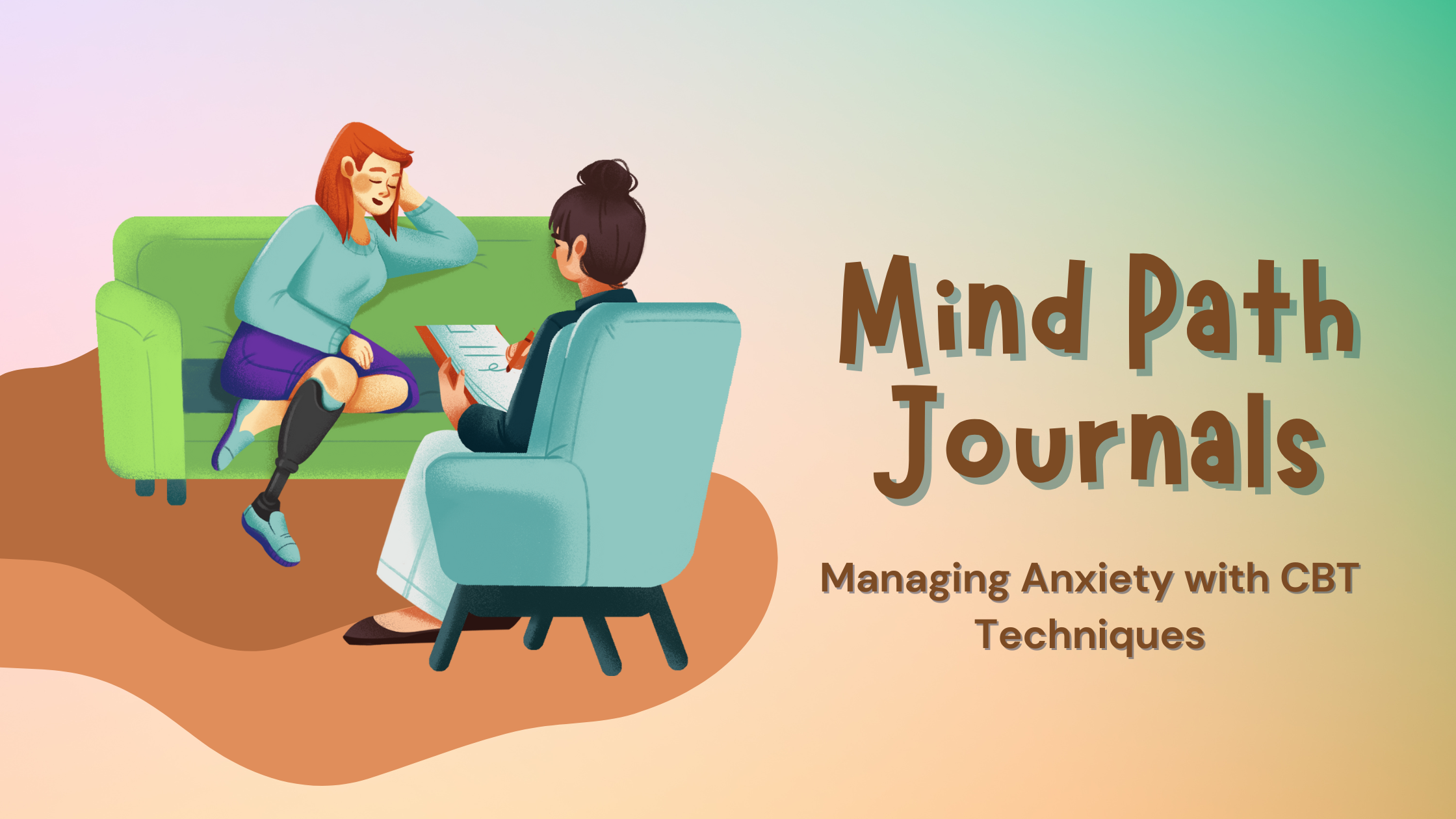

Cognitive Behavioural Therapy (CBT) isn’t just another therapy trend—it’s a proven, science-backed approach that helps people break free from negative thought patterns and build lasting mental resilience.
Why Is CBT Effective?
It’s Evidence-Based: CBT has been rigorously tested through decades of research. Studies consistently show its effectiveness for a range of mental health conditions, including depression, anxiety, PTSD, and even physical health conditions like chronic pain.
It Targets Core Drivers of Distress: CBT focuses on the root cause of distress—our thought patterns. By addressing these, it reduces symptoms at their core rather than merely managing them.
Neuroplasticity: Changing the Brain: CBT influences the brain’s natural ability to change and adapt, a concept known as neuroplasticity. By practicing new ways of thinking and behaving, you strengthen healthier neural pathways, making these changes more automatic over time.
Practical and Goal-Oriented: CBT is structured and time-limited, typically lasting 12-20 sessions. It focuses on specific goals, empowering you with tools you can apply to real-life situations.
Skills That Last a Lifetime: The techniques learned in CBT, such as identifying cognitive distortions, problem-solving, and stress management can be used long after therapy ends, helping you maintain progress and resilience.
CBT in Action: A Simple Example
I’d like you to imagine you’re anxious about giving a presentation
- Unhelpful Thought: “I’ll make a mistake, and everyone will think I’m incompetent.”
- CBT Technique: Challenge the thought. Ask yourself: “What’s the evidence this will happen? Have I done well in similar situations before? Will one mistake define me?”
- Balanced Thought: “I might feel nervous, but I’ve prepared and can handle this. People are usually supportive, not critical.”
Over time, practicing this approach reduces anxiety and builds confidence.
Takeaway Practice
“The Three Cs” Practice
To apply the science of CBT to your daily life, try this simple exercise whenever you feel overwhelmed or stressed:
Catch: Notice a specific moment of stress or discomfort. Identify the triggering situation and the thoughts running through your mind.
Challenge: Ask yourself:
- Is this thought 100% true, or am I assuming the worst?
- What evidence do I have for and against it?
- What would I say to a friend in this situation?
Change: Reframe the thought into something more constructive.
For example:
- Original Thought: “I’m going to fail at this project.”
- Balanced Thought: “This project is challenging, but I’ve handled similar tasks before and can take it one step at a time.”
Write down the process to reinforce the habit. With practice, challenging and changing your thoughts becomes second nature.
Leave a Reply
You must be logged in to post a comment.