
TL;DR
Trauma affects both the mind and the body. When the nervous system stays on high alert after a distressing experience, physical and emotional symptoms can continue even when you are safe. Healing involves helping the body relearn safety through grounding skills and trauma-focused therapies that process difficult memories.
How Trauma Affects the Body
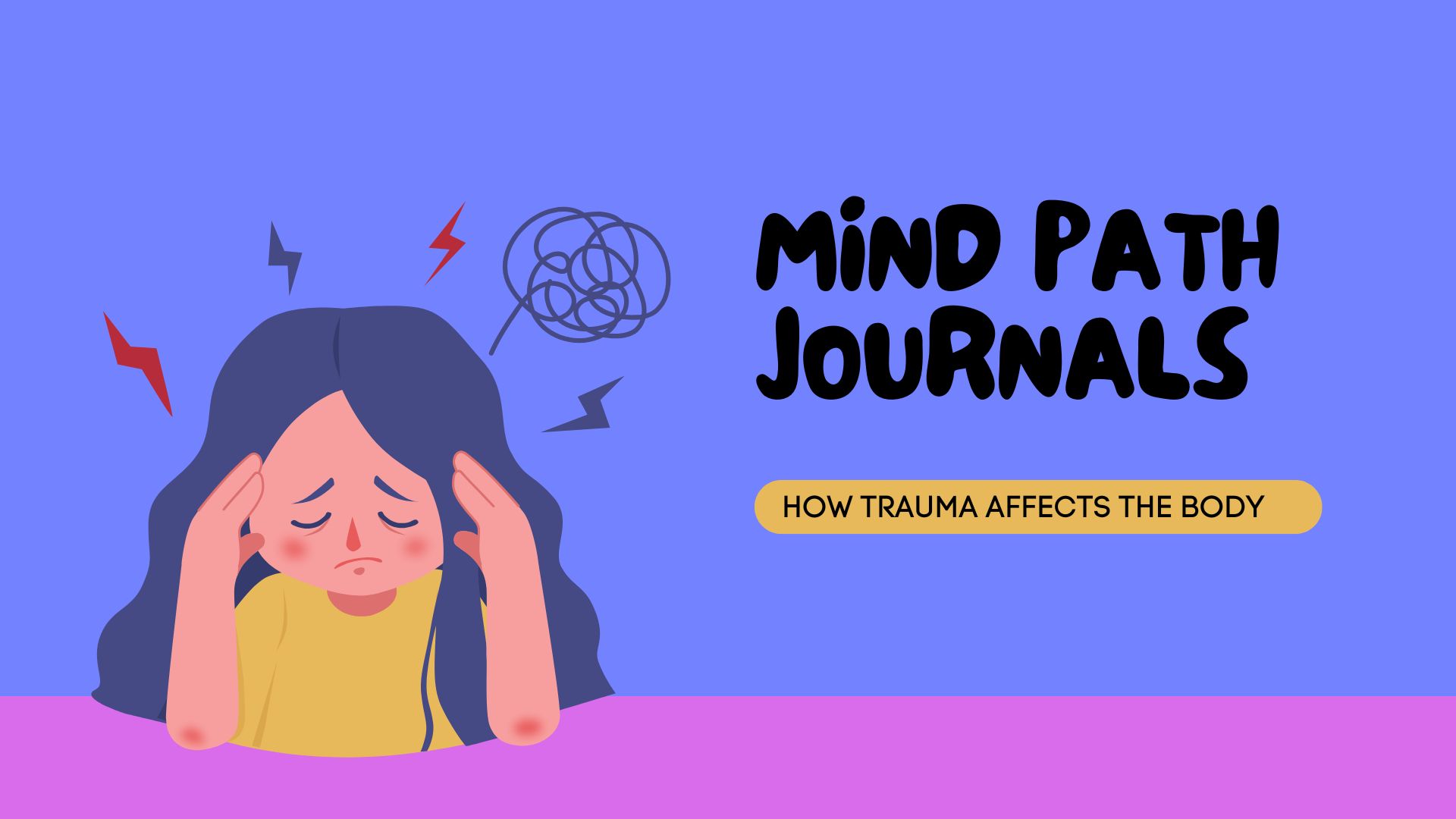
Trauma is not just something that lives in the mind, it lives in the body too. When we experience something overwhelming, frightening, or deeply distressing, the body’s alarm system switches on to protect us. For some people, that alarm system switches off again when the danger passes. But for others, it stays partly activated long afterwards
This can show up as:
- Feeling on edge or jumpy
- Difficulty relaxing
- Muscle tension or stomach discomfort
- Sudden emotional overwhelm
- Intrusive memories or vivid dreams
- Numbness or disconnection
The body may keep sending signals of threat even when you are safe. It’s not because you’re “weak”, it’s because your nervous system has learned to stay prepared
Therapy helps the body and mind reconnect. Grounding, breathing, and stabilisation techniques help your nervous system settle. Trauma‑focused CBT and EMDR can support your brain to process distressing memories so they feel less raw and less present
Healing from trauma is not about forgetting. It’s about helping your body learn that the danger has passed, and that you are safe here, now, in your present life
- Trauma lives in the body as well as the mind: The nervous system may remain activated long after danger has passed.
- Persistent threat signals are protective, not weakness: Hypervigilance develops as a learned survival response.
- Common physical trauma symptoms: Muscle tension, stomach discomfort, difficulty relaxing, feeling on edge.
- Common emotional and cognitive trauma symptoms: Intrusive memories, vivid dreams, emotional overwhelm, numbness or disconnection.
- Trauma affects nervous system regulation: The body can react as if danger is still present.
- Grounding and stabilisation reduce activation: Breathing, sensory awareness, and present-moment focus help settle the alarm system.
- Trauma-focused therapies support processing: Approaches like trauma-focused CBT and EMDR help memories feel less immediate and distressing.
- Healing is about relearning safety: Recovery involves helping the body recognise the difference between past threat and present safety.
- Mind-body reconnection builds resilience: Awareness of physical sensations supports emotional regulation.
- Recovery is gradual and experiential: Repeated safe experiences reshape the nervous system’s threat response.
Takeaway Practice
The “Here & Now” Grounding Check
Place your feet on the floor and take one slow breath.
Ask yourself:
Where am I right now?
What can I see, hear, and feel?
Am I safe in this moment?
Gently name five things around you that tell you this is the present, not the past.
This helps the body recognise safety and settle the nervous system
Leave a Reply
You must be logged in to post a comment.